The Harlem Renaissance was more than just a cultural movement; it was a profound testament to the resilience and creativity of African Americans in the early 20th century. Through the lens of stunning U.S. postage stamps, we delve into the rich tapestry of artistry and history that defines this pivotal era. Each stamp serves as a miniature tribute, encapsulating the lives and legacies of influential figures who shaped American literature, music, and social thought.
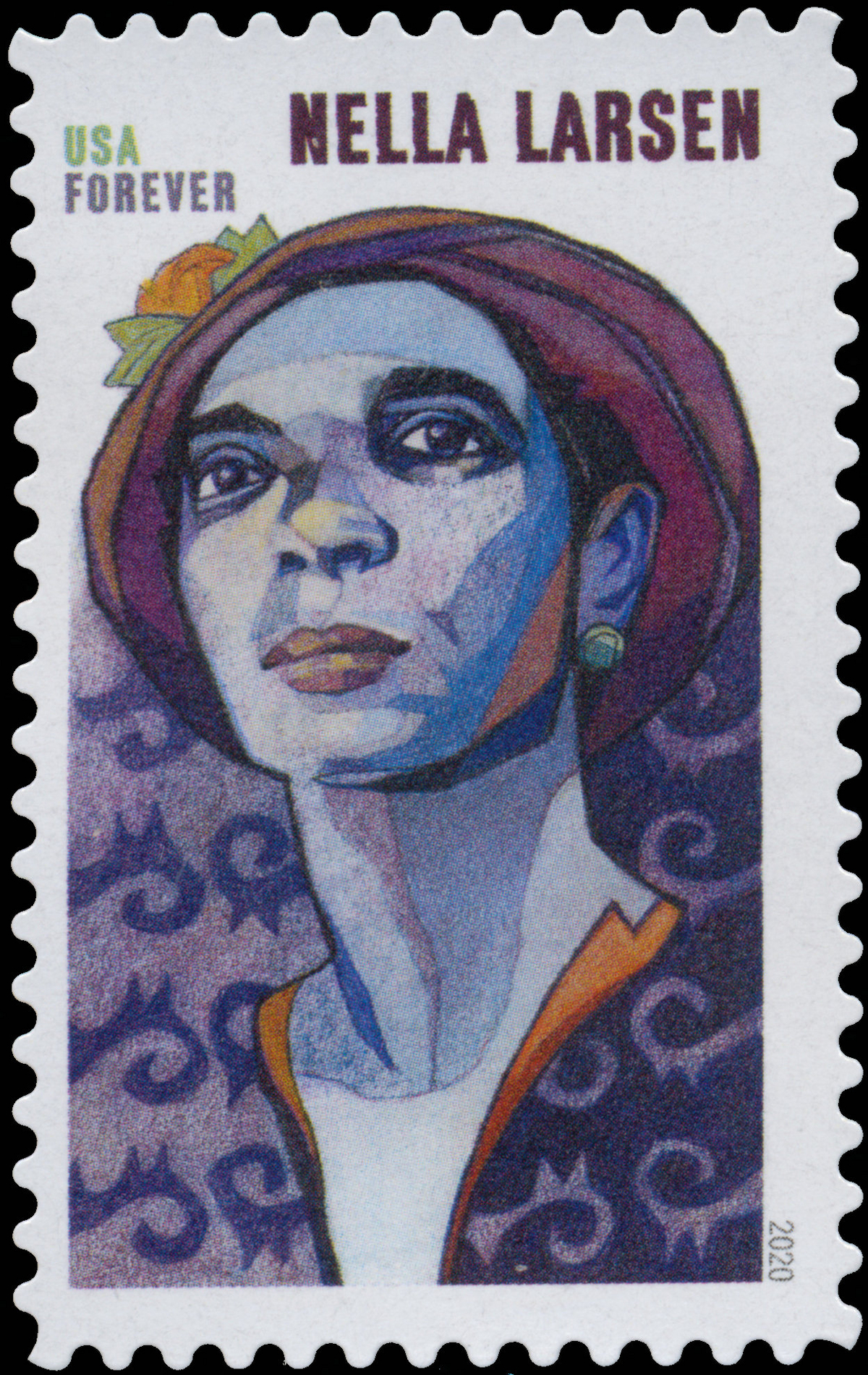
Nella Larsen, a luminary of the Renaissance, provides a compelling exploration of race and identity. Her novels "Quicksand" and "Passing" have transcended time to remain essential in understanding the complexities of mixed-race experiences in America. The stamps featuring her likeness do more than commemorate her contributions; they evoke the emotional depth and societal challenges captured in her prose, inviting readers to reflect on their relevancy in today's discussions about identity and belonging.
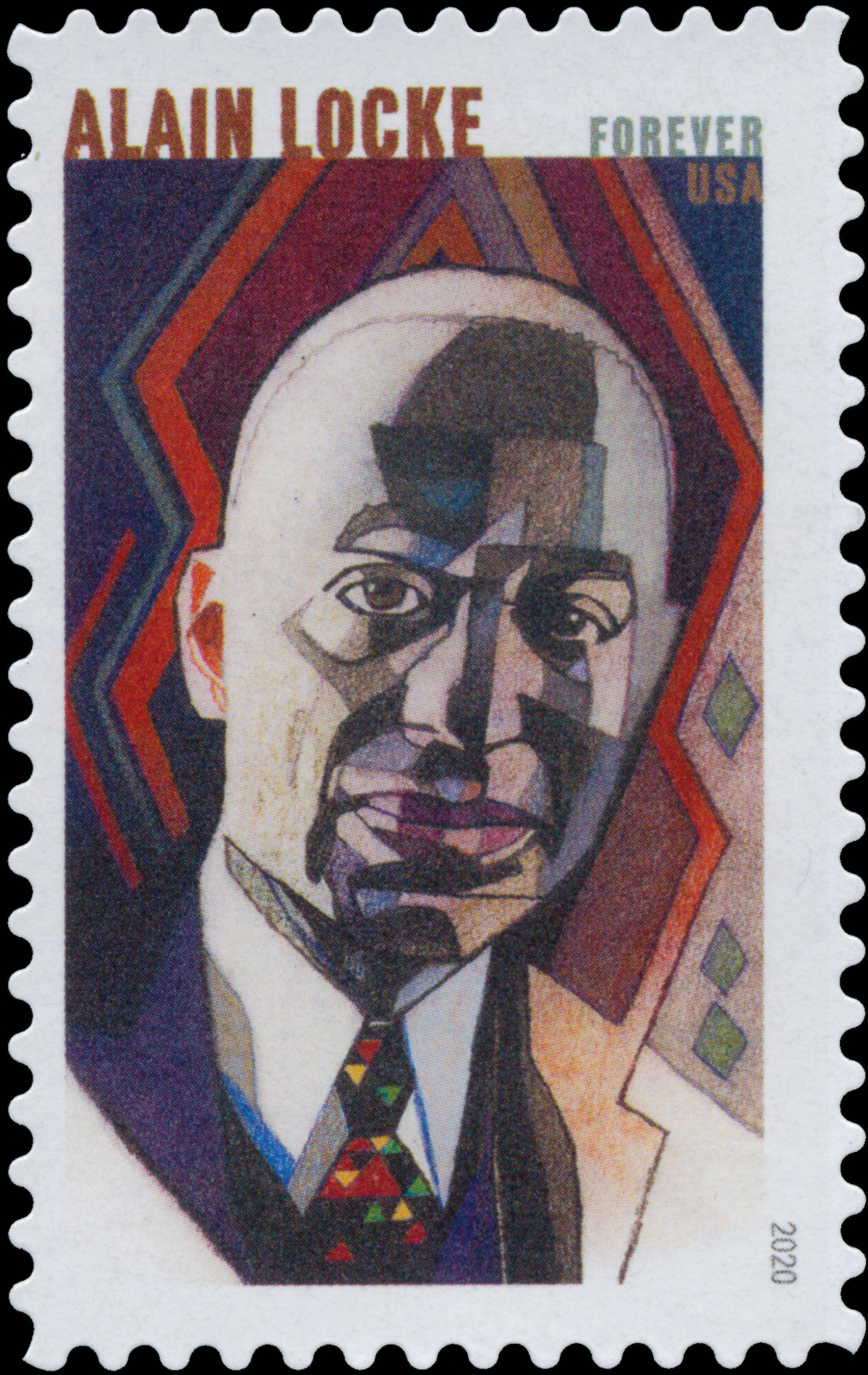
Alain Locke, often referred to as the "Dean" of the Harlem Renaissance, played an instrumental role in shaping the intellectual landscape of the movement. His anthology, "The New Negro," showcased African American artistic and literary achievements, laying the groundwork for future generations. The stamps commemorating Locke are adorned with imagery that speaks to the elevated consciousness and cultural pride he championed, reminding us of the importance of identity in the pursuit of equity and justice.
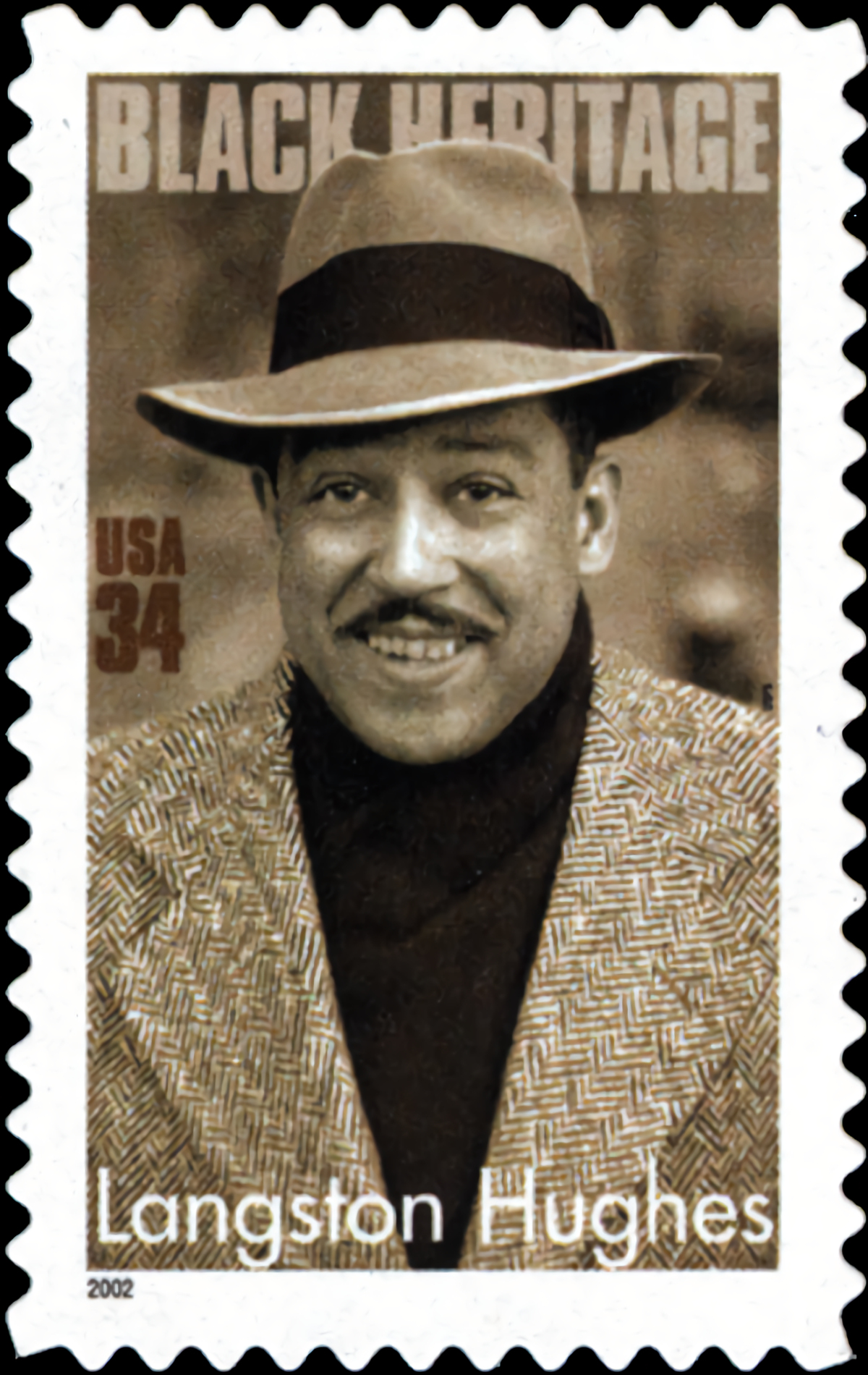
Langston Hughes stands as a testament to the power of voice in poetry and prose. His artistic works celebrated the authenticity of everyday African American life, capturing the joyous and painful intricacies of the Black experience in America. Hughes' stamps evoke not only his literary prowess but also the soulful heart of the Harlem Renaissance, inviting viewers to engage with the rhythm and cadence of his words.
Other prominent figures of the Renaissance, such as James Weldon Johnson and Paul Robeson, are equally significant. Johnson, with his multifaceted career as a lawyer and musician, authored "Lift Every Voice and Sing," which resonates as the Black National Anthem. Meanwhile, Robeson, renowned for his powerful baritone and advocacy for civil rights, demonstrates how the arts can be a powerful tool for social change. The artistry of the stamps portraying these individuals commemorates their lasting impact and serves as a reminder of the ongoing struggle for equality.
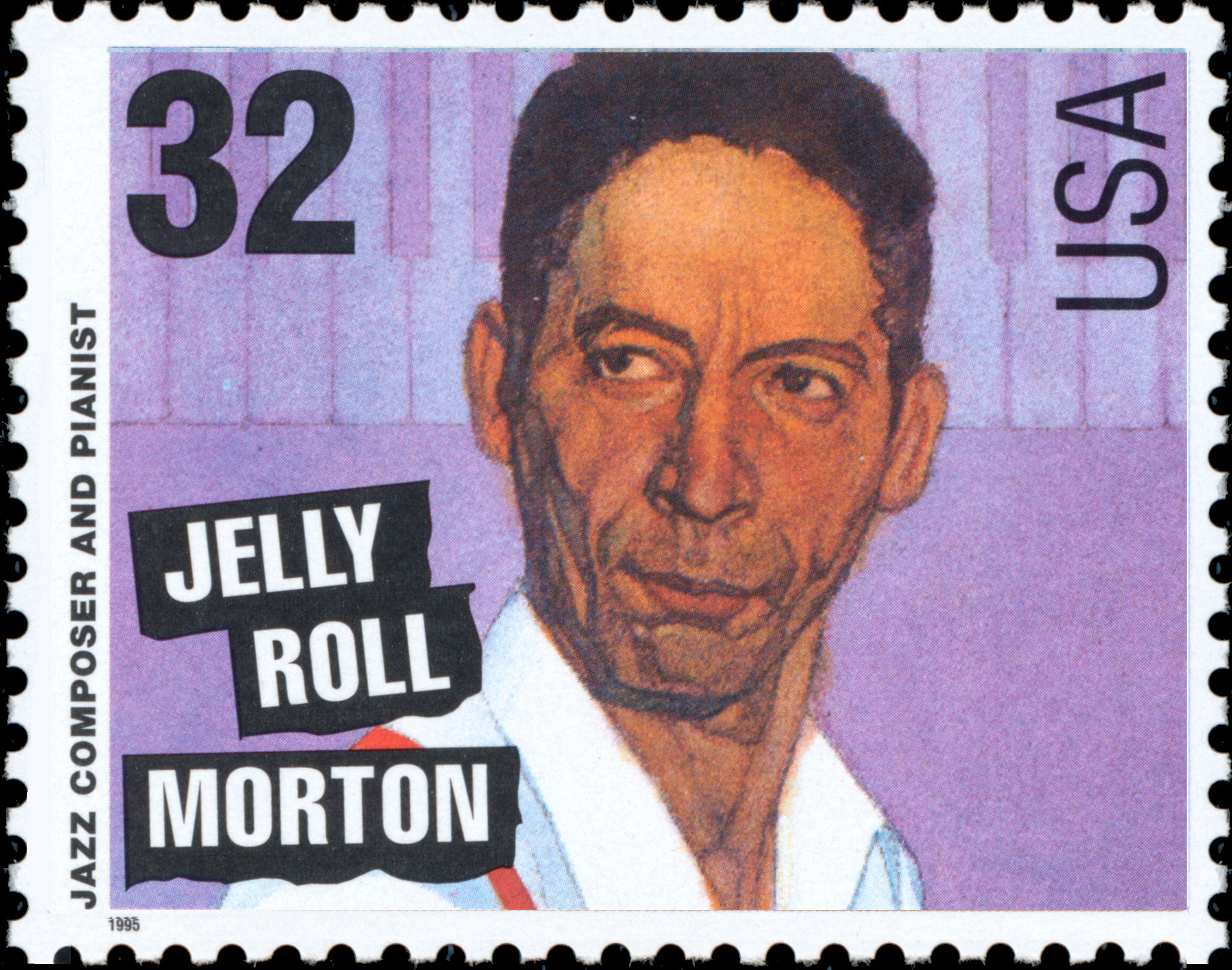
The musical contributions of the Harlem Renaissance are prominently showcased through stamps dedicated to the likes of Bessie Smith, "Ma" Rainey, Ethel Waters, and Jelly Roll Morton. Smith and Rainey, often called the "Queen" and "Mother" of the Blues, symbolize the emotional depth and pioneering spirit that characterized the music of the time. Their stamps elegantly capture the essence of their artistry – vibrant, bold, and deeply rooted in the African American experience. Ethel Waters, with her trailblazing path through varied genres and an Oscar nomination, is another noteworthy figure whose legacy is immortalized through these postage pieces.
As we explore the artistry and history of Harlem Renaissance stamps, we are reminded of the vital narratives they carry. These small yet significant works of art represent more than just commemorative pieces; they symbolize the enduring spirit, creativity, and intellectual vigor of an era that reshaped American culture. Each stamp captures a moment in time, reminding us of the power of artistic expression in the face of adversity.
For those interested in further exploring this fascinating topic and discovering more about the profound contributions of the Harlem Renaissance, we invite you to visit pastrecast.org. Join us as we continue to celebrate the voices and stories that have shaped our collective history.
**Chapters**
00:00 - Exploration of Harlem Renaissance Stamps
00:06 - Nella Larsen
00:12 - Alain Locke
00:18 - Langston Hughes
00:24 - James Weldon Johnson
00:30 - Paul Robeson
00:36 - Bessie Smith
00:42 - “Ma” Rainey
00:48 - Ethel Waters
00:54 - Jelly Roll Morton
01:00 - Visit pastrecast.org
This video uses AI-driven animation to bring historical images to life, providing a dynamic look at classic imagery.